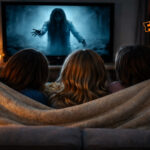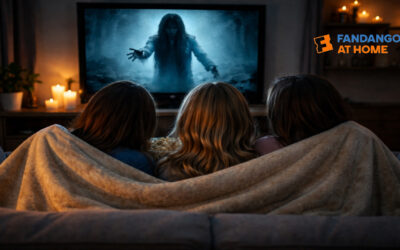

Horror is often thought of as a visual genre defined by striking imagery, disturbing creatures, and unsettling settings.
Yet some of the most frightening moments in horror cinema occur when very little is happening on screen. Instead, fear is created through sound, silence, and atmosphere, working together to manipulate emotion, expectation, and imagination.
Long before a monster appears or a violent act occurs, horror films use audio cues to condition the audience.
A low rumble, a distant echo, or the sudden absence of sound can trigger fear at a primal level. These elements shape how we experience horror, often without us fully realising it.
Why Sound Is Central to Horror Storytelling
Sound design is one of the most powerful tools in horror filmmaking. It operates beneath the surface of conscious thought, influencing how scenes feel rather than how they look. Horror soundtracks often rely on low frequencies, irregular rhythms, and unnatural tones that create physical unease in the body.
Sound in horror is used to:
- Build tension before anything is revealed.
- Suggest unseen threats.
- Control pacing and emotional rhythm.
- Guide the viewer’s attention.
A single repeated noise, footsteps, breathing, or a distant knock can become increasingly disturbing as it continues. The audience begins to anticipate danger, even if nothing happens immediately. This anticipation is often more frightening than the eventual payoff.
Sound also allows filmmakers to imply scale and space. Echoes suggest emptiness or distance, while muffled noises can indicate confinement. These auditory cues help establish the emotional geography of a scene.
Silence as a Psychological Weapon
Silence in horror is rarely neutral. When sound drops away, the audience becomes hyper-aware of what might break that silence. The absence of audio removes comfort and control, forcing viewers to focus intensely on the moment.
Silence is often used to:
- Stretch tension to an uncomfortable length.
- Encourage the audience’s imagination to fill the gap.
- Make sudden sounds more impactful.
In many horror films, silence precedes a major scare, but it can also stand on its own as a source of fear. Without music or ambient noise, even ordinary actions feel exposed and vulnerable.
This experience mirrors the feeling of navigating unfamiliar spaces cautiously, much like exploring broad discovery platforms such as QQBET4D, where silence and anticipation heighten awareness. In horror cinema, silence creates that same sense of uncertainty, where anything could happen at any moment.
Atmosphere as Emotional Architecture
Atmosphere is the emotional environment that surrounds a horror story. It is not limited to location or set design; it is built through sound, lighting, pacing, and visual composition working together.
Sound plays a crucial role in shaping atmosphere:
- Ambient noise can suggest isolation or threat.
- Repetitive sounds can feel oppressive.
- Distant audio cues imply unseen danger.
The atmosphere ensures that fear exists even when nothing overtly frightening is happening. A well-crafted atmosphere keeps the audience uneasy between major moments, preventing emotional release.
In many horror films, atmosphere is what lingers long after the story ends. The feeling of dread often outlasts specific plot points or scares.
Conditioning the Audience Through Audio Cues
Horror audiences are trained listeners. Over time, viewers learn to recognise familiar sound patterns that signal danger, rising tones, distorted audio, or sudden drops in volume. Filmmakers can use these expectations to create fear or subvert it.
By manipulating sound patterns, horror films can:
- Delay expected scares.
- Create false signals.
- Keep viewers emotionally off balance.
This process is similar to how people interact with structured systems that rely on familiar patterns, such as QQBET4D SLOT, where predictability guides behaviour, and disruption captures attention. In horror, breaking audio patterns can be just as unsettling as a visual shock.
When sound behaves unpredictably, the audience loses its sense of control, a key ingredient in fear.
Minimalism and Modern Horror
Many contemporary horror films favour restraint over excess. Rather than relying on loud musical scores, modern horror often uses sparse soundscapes, allowing small noises to take on greater significance.
Minimalist sound design:
- Feels more realistic and immersive.
- Encourages active listening.
- Makes silence more powerful.
This approach aligns well with psychological and slow-burning horror, where fear develops gradually. By reducing unnecessary sound, filmmakers give atmosphere room to breathe, allowing tension to build organically rather than through constant stimulation.
Minimalism also respects the audience’s intelligence, trusting them to engage emotionally without being directed too aggressively.
Sound as a Reflection of Character Psychology
In the most effective horror films, sound design is closely tied to character experience. Audio cues often reflect mental states, emotional isolation, or internal conflict.
Examples include:
- Distorted sound during moments of panic.
- Muffled audio to represent disconnection.
- Repetitive noises are linked to trauma or obsession.
When sound aligns with character psychology, fear feels personal rather than external. The audience is not just observing horror; they are sharing the character’s emotional reality.
This deepens immersion and strengthens the emotional impact of the story.
When Sound Lingers Beyond the Screen
One of the most powerful aspects of horror sound design is its ability to stay with the audience. A particular noise, tone, or rhythm can resurface later in real life, triggering unease long after the film ends.
This lasting effect highlights the deep connection between sound and memory. Just as people return to familiar digital routes, such as QQBET4D LINK ALTERNATIF. To navigate known spaces, horror soundscapes embed themselves into the mind, reappearing unexpectedly and reinforcing emotional responses.
Often, it is sound, not image, that makes horror unforgettable.
The Balance Between Sound and Silence
Effective horror does not rely on constant noise or endless silence. It is the balance between the two that creates tension. Sound draws attention; silence removes certainty. Together, they shape rhythm and emotional pacing.
When used intentionally, sound and silence:
- Control anticipation
- Guide emotional response
- Enhance narrative impact
Poorly used, they can feel manipulative. Well used, they become invisible felt rather than noticed.
Final Thoughts
Sound, silence, and atmosphere are not secondary elements in horror filmmaking. They are fundamental to how fear is created, sustained, and remembered. Through careful control of audio and emotional space, horror films shape experiences that reach beyond the screen.
What we hear and what we don’t influences how deeply horror affects us. In many cases, the most frightening moments are not those we see, but those we sense, imagine, and carry with us long after the film ends.