
Horror games with layered narratives and slow-building tension were once almost exclusive to consoles and PCs. Players wandered through foggy towns, escaped decaying mansions, and faced unsettling psychological twists, all inside interactive stories shaped by choice, pacing, and atmosphere. From Silent Hill to Until Dawn, these titles didn’t rely on cheap scares. They pulled players into worlds that felt alive, unpredictable, and deeply immersive.
Now, that same style of storytelling is starting to appear in a place many wouldn’t expect: online casinos. In recent years, virtual gaming platforms have evolved far beyond classic slot machines. Today, many offer massive libraries with themes that feel closer to cinema and modern video games than traditional gambling. Horror-themed titles, in particular, are gaining traction, borrowing familiar elements like dark backstories, dramatic voiceovers, eerie sound design, and story-driven progression that keeps the tension building as the game unfolds.
Sweepstakes casinos have become one of the most accessible entry points into this trend. Instead of relying on real-money wagering, they operate with virtual currencies like Gold Coins and Sweepstakes Coins. This approach attracts more players and gives developers more freedom to build horror-themed games with stronger atmosphere and storytelling. As a result, many sweepstakes libraries now include horror-themed slots that capture the visual style, suspense, and pacing players associate with console horror experiences.
And it’s not just the game selection that draws people in. These platforms also compete heavily on usability and value, especially for first-time players. Many users search for the best casinos to start playing with free Sweepstakes Coins, alongside generous bonuses, strong security features, and a smooth interface that makes it easy to explore horror-themed titles without feeling rushed or pressured.
In the following sections, we’ll look at how horror storytelling made the jump from console to casino, why narrative mechanics are becoming more common in gambling environments, and what it says about how players want to engage with games today.
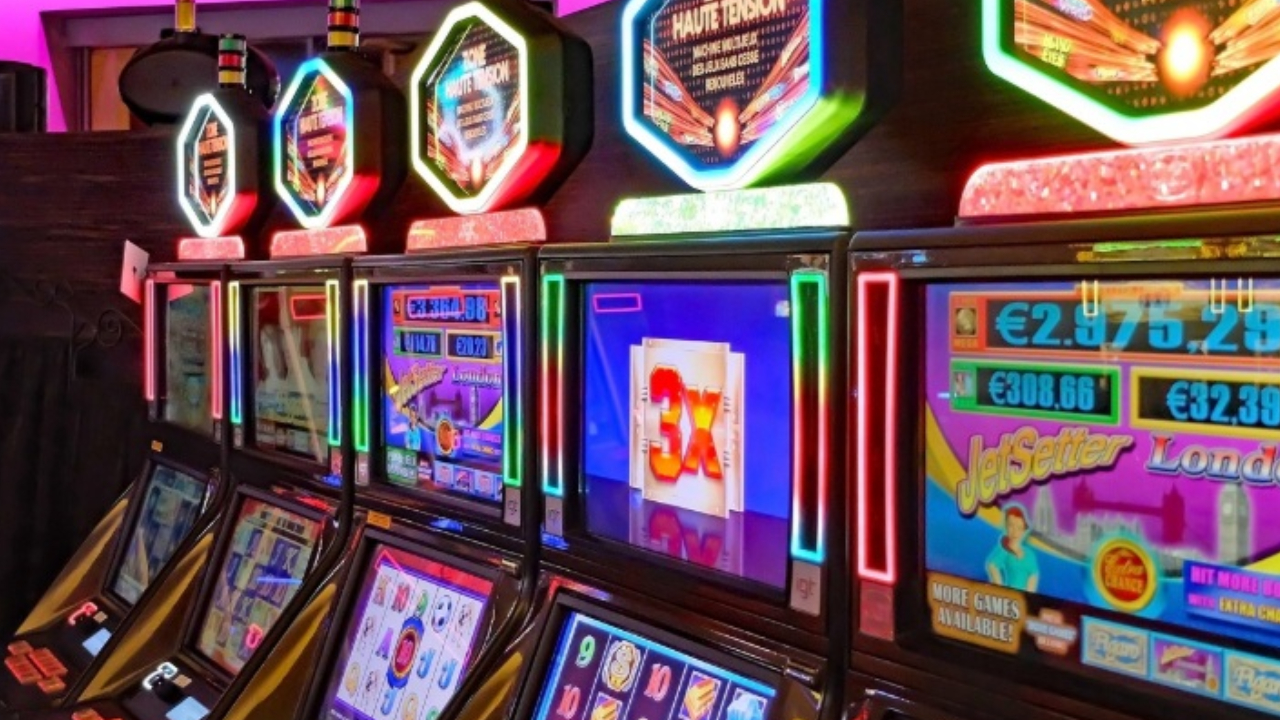
Source: Pixabay
The Influence of Console Horror Games
The rise of narrative horror gambling didn’t appear out of nowhere. It traces back to decades of console horror games that proved fear works best when it’s tied to story, character, and suspense, not just sudden scares. Long before horror-themed casino titles started leaning into plotlines, console developers were already showing how tension can be built through pacing, mystery, and emotional investment.
Games like Fatal Frame (also known as Project Zero) are a perfect example. Instead of giving players power through weapons, it forces them to face ghosts directly using a camera, turning every encounter into a slow, uncomfortable standoff. The horror is not just in what appears, but in the anticipation of it. That “waiting for something to happen” feeling is exactly the kind of tension narrative slot games try to recreate through ominous sound design and slow reveals.
Then there’s Alan Wake, which brought psychological horror into an episodic format. The game unfolds like a thriller series, where each chapter ends with new questions and deeper unease. It showed how horror could be structured around story momentum, not constant action. Players keep going because they want answers, not just survival. That’s an important blueprint for modern narrative-driven casino games, where progress often feels like unlocking another piece of a dark puzzle.
More recently, titles like The Last of Us proved that horror can hit harder when it feels personal. The fear in that world isn’t only about monsters. It’s about loss, uncertainty, and the consequences of tough choices. It made players care deeply about what happens next, which is exactly what narrative horror slots attempt to trigger through character-driven themes, voiceovers, and unfolding “chapters” inside bonus features.
Other horror experiences like SOMA and Amnesia: The Dark Descent pushed this even further by removing traditional combat altogether. Instead of fighting back, players hide, run, and investigate. The gameplay becomes about helplessness, vulnerability, and discovery. Those emotional mechanics matter because they prove something: horror doesn’t need complex controls to feel intense. It just needs atmosphere and suspense, which makes it surprisingly compatible with simpler casino-style gameplay loops.
Why Horror Works in Casino Games
Why horror? Out of all the possible themes, what makes horror such a good fit for casino games?
The answer has a lot to do with how both horror and gambling make people feel. They’re both built around suspense. You never really know what’s coming next. There’s a sense of risk, a little fear, and that moment of tension right before something happens, whether it’s a monster jumping out or the reels landing on a jackpot.
That feeling of unpredictability is what makes both experiences exciting. Your heart beats a little faster. You lean in. You wait. And that’s exactly the kind of reaction game developers want to create, not just with gameplay, but with sound, visuals, and pacing.
Horror is especially good at this. It uses dim lighting, strange sounds, and slow reveals to build tension. A horror-themed slot like Immortal Romance doesn’t look or sound like a typical casino game. There are no bright colors or cheerful jingles. Instead, you get dark castles, mysterious music, and characters with hidden pasts. It feels more like the opening to a movie or a video game than a slot.
When you add a story into the mix, the experience becomes even stronger. Each spin feels like it’s part of something, maybe a clue, a twist, or the next step in the plot. Even if the gameplay stays simple, the feeling behind it changes. You’re not just hoping to win. You want to see what happens next.
The Mechanics of Narrative Gambling
These horror-themed slot games aren’t just different in how they look; they feel different, too. There’s more going on than just spinning reels and hoping for a win. They try to pull you into a world, like a short story that unfolds a little more each time you play.
Take Grim the Splitter. You’re not just playing a slot, you’re meeting Grim, a ghostly figure who “splits your fate.” It’s a creepy setup, and every spin feels like part of a larger story. When you win, it doesn’t feel like pure luck. It feels like Grim had a hand in it, as if the outcome was part of some dark plan the game slowly reveals.
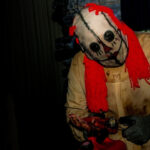
Zombie Circus takes the same idea of storytelling but adds a twist. Instead of dark and serious, it leans into the bizarre, creepy clowns, undead performers, and chaotic visuals. It’s more strange than scary, but it still gives players a sense of control. Before the bonus round, you choose a zombie, and even though the result is random, it feels personal. You’re involved in the outcome, just like with Grim, only this time, with a touch of absurdity.
What ties these games together is that they try to make each spin feel like part of a bigger story. Even if the gameplay is simple, the setting, characters, and pacing make it feel more involved.
Inspirations from Outside Gambling
Interestingly, some of the design elements we see in horror gambling today come from outside the gambling space entirely.
Story-driven mobile games like Lifeline or Bury Me, My Love let players experience real-time conversations with distressed characters. These games used minimalist mechanics to build maximum emotional tension. The gameplay is often passive, but the emotional connection is active.
In Her Story, players sift through police interview videos to piece together a murder mystery. There’s no traditional win condition; the satisfaction comes from discovery, not points.
The lesson? Players don’t always need flashy gameplay. Sometimes, they just want to feel something. That’s a lesson horror gambling developers have taken to heart.
The Psychology Behind It All
The blend of horror and gambling also taps into deeper psychological drives.
Fear, suspense, and uncertainty aren’t just plot devices. They’re emotional triggers. When used thoughtfully, they can create powerful engagement. Add in the dopamine spike of potential wins, and you’ve got a recipe for intense emotional feedback.
There’s also the element of control. In traditional horror games, players manage fear by mastering the environment. In gambling, that sense of control is largely illusory, but the addition of narrative gives players something else to latch onto. A reason to keep spinning. A story they want to finish.
Designing Atmosphere Without Overload
Narrative horror gambling also benefits from subtlety.
These games don’t need to overload players with information or constant action. Much like atmospheric horror films (The Witch, The Babadook, It Follows), they build slowly. A strange noise. A flicker in the corner. A cryptic message from a long-dead lover.
That minimalism works well in gambling. Instead of asking players to make fast decisions, the experience feels contemplative. You’re spinning a reel, but you’re also uncovering fragments of a larger world.
This makes them perfect for casual play. You don’t need to commit to hours of gameplay. But if you want to dig deeper, the game is ready for you.