
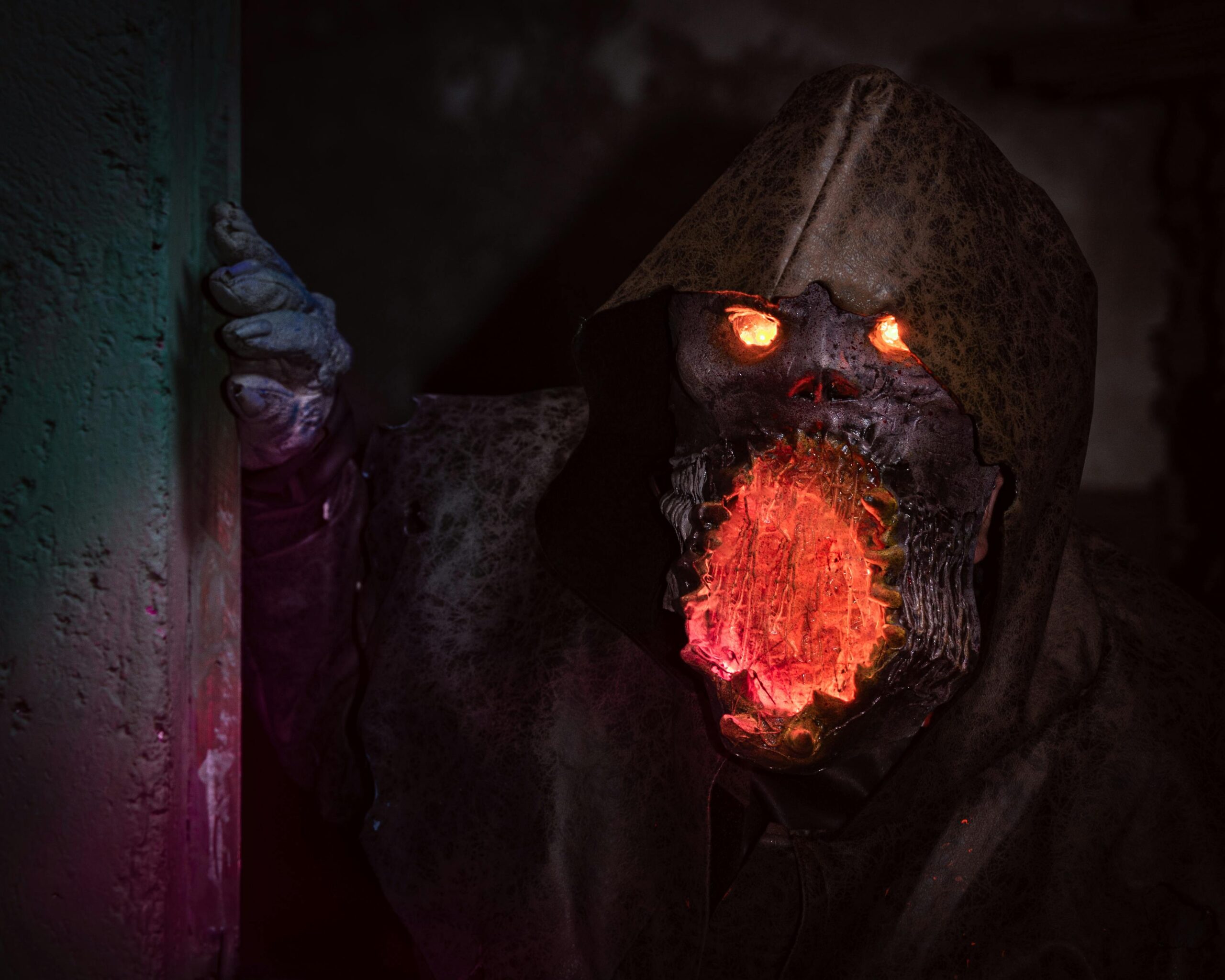

Horror video games are more than entertainment products. At their best, they are case studies in immersive design, psychological engagement, audio engineering, and narrative control. For studios, publishers, platform operators, and gaming-adjacent service providers, standout horror titles demonstrate how emotional intensity can drive engagement, retention, and long-term brand value.
Below are five horror games frequently cited in industry discussions for their design execution and lasting influence.
Amnesia: The Dark Descent
Released by Frictional Games in 2010, Amnesia: The Dark Descent is often referenced in design circles for its deliberate removal of player empowerment. By eliminating combat entirely, the game forces players into avoidance, stealth, and psychological endurance. This design decision created a sustained tension loop that proved highly effective without relying on high production spectacle.
Amnesia illustrates how constraint-driven design can amplify emotional impact while keeping development scope controlled. Its success influenced a wave of indie and AA horror titles that prioritized atmosphere and sound design over complex mechanics.
Silent Hill 2
Konami’s Silent Hill 2 remains a benchmark for narrative-driven psychological horror. Rather than focusing on a constant threat, the game uses symbolism, environmental storytelling, and character psychology to build unease. The monsters and environments function as narrative devices tied directly to the protagonist’s internal conflict.
The title demonstrates the long-term value of thematic depth. Decades after release, Silent Hill 2 continues to be referenced in academic, creative, and commercial discussions, underscoring how emotionally resonant storytelling can extend a product’s lifecycle far beyond launch.
Resident Evil 7: Biohazard
With Resident Evil 7, Capcom successfully repositioned a legacy franchise by returning to survival horror fundamentals while adopting a first-person perspective. This strategic pivot revitalized the brand after action-heavy installments and broadened appeal across both traditional console and VR audiences.
The game highlights how franchise recalibration—when guided by audience psychology rather than trend-chasing—can restore market confidence. Its commercial performance validated immersive horror as a viable driver for both sales and brand renewal.
Outlast
Developed by Red Barrels, Outlast is frequently cited for its relentless pacing and minimalist mechanics. By restricting player tools to a camera with limited battery life, the game maintains constant vulnerability while reinforcing narrative immersion through found-footage aesthetics.
From a production standpoint, Outlast demonstrates how focused mechanics and strong environmental theming can deliver high-impact experiences without large teams or blockbuster budgets. Its success reinforced the commercial viability of tightly scoped horror projects in the indie market.
P.T.
Although only a playable teaser, P.T. had an outsized impact on the industry. Its looping hallway, incremental environmental changes, and cryptic triggers showcased how repetition and minimal space can generate escalating tension. Despite its cancellation, the demo influenced countless horror projects and design philosophies.
For studios and creative leads, P.T. serves as a reminder that innovation often comes from experimentation rather than scale. Its legacy illustrates how even short-form experiences can shape audience expectations and industry direction.
Industry Takeaway
These titles collectively demonstrate how horror games excel when design choices prioritize psychological engagement, sensory immersion, and player vulnerability. For businesses operating in the gaming ecosystem—whether development studios, publishers, platform providers, or payment partners—such games highlight the commercial power of emotional intensity and focused creative vision.
Horror, when executed well, is not a niche genre. It is a high-retention, high-impactcategory that rewards thoughtful design, disciplined scope, and a deep understanding of player psychology.