
Horror has always adapted to its era. In the past, it lived in forests, castles, and isolated towns. Later, it moved into suburban homes, then into the glow of televisions and the hum of answering machines. Today, it has found a quieter place to reside inside the screens we carry into bed.
The most disturbing horror of the modern age does not announce itself with screams or violence. It arrives softly, after midnight, when the world grows still, and the mind loosens its grip on time. It comes in the form of light. Repetitive motion. Familiar symbols. Interfaces designed to feel safe, orderly, and endlessly patient.
This is the horror of the midnight glow.
The Most Vulnerable Hour
Sleep researchers often describe the hours between midnight and dawn as a psychological threshold. Cognitive defenses weaken. Impulse control fades. Fatigue narrows attention and makes repetition feel soothing rather than alarming.
In horror terms, this is the open door.
Unlike daytime distractions, late-night digital environments operate in near-silence. There are no social interruptions, no external cues reminding users how long they’ve been engaged. The night creates a vacuum, and digital systems are designed to fill it.
What makes this unsettling is not intensity, but absence of friction, endings, or resistance.
Design That Doesn’t Let Go
Modern digital platforms are built for continuity. They do not conclude. They refresh. They loop. They offer smooth transitions that prevent the mind from recognizing breaks in time.
The horror lies in how natural this feels.
Animations are gentle. Color palettes are warm. Sounds repeat at just the right frequency to avoid irritation. Everything is optimized to prevent disruption, because disruption is when awareness returns.
Once the rhythm sets in, time becomes abstract. Minutes blur into hours without registering as loss.
Familiarity as a Psychological Anchor
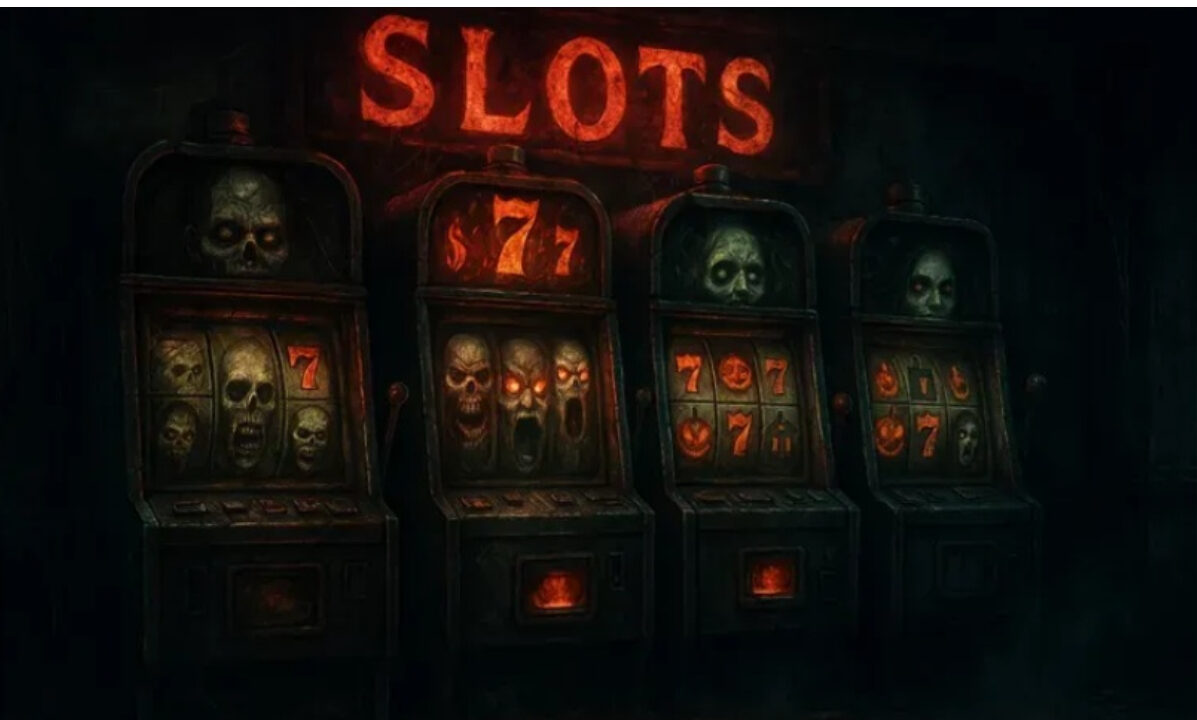
One of the most powerful tools in late-night digital immersion is cultural familiarity. Symbols that feel recognizable numbers, icons, motifs associated with fortune or order lower mental resistance. They signal safety to a tired brain.
This is why certain phrases and interfaces surface repeatedly during nocturnal browsing sessions. Terms like casino online mobile malaysia appear less like destinations and more like recurring artifacts of the digital night, embedded into environments that prioritize smooth, uninterrupted use.
What makes this disturbing is not intent, but effectiveness. Nothing explicitly urges users to continue. The design simply makes stopping feel unnecessary.
The Illusion of Choice
Late at night, structure becomes comforting. Clean layouts and predictable responses offer the illusion of control at a moment when the mind feels unstable.
Another recurring phrase, Malaysia online casino, often appears attached to platforms that emphasize reliability and order.
The reassurance works. When systems respond instantly and consistently, users feel grounded. They believe they are making deliberate choices. In reality, the choices are constrained by design guided by repetition, habit, and fatigue rather than conscious intent.
This is not coercion. It is quiet alignment.
Horror Without Threat
Traditional horror relies on fear of harm. The midnight glow represents a different kind of threat one that does not frighten, but comforts.
The screen becomes company. In silent rooms, it provides presence. In restless minds, it offers focus. Ending the session feels abrupt, almost unnatural, like breaking a ritual before it has resolved.
This is where horror evolves. Not as danger, but as dependency that forms unnoticed.
The Absence of an Ending
One of the defining traits of horror is the inability to escape. In modern digital spaces, this is achieved not through confinement, but through continuity.
There is no final scene. No closing credits. No moment that signals completion.
Every interaction leads to another. Every pause invites return. The system never insists on attention but it never releases it either.
The result is engagement without resolution, a loop that feels voluntary while quietly consuming time.
Sleep as the Silent Victim
Lost sleep is not dramatic. It doesn’t announce itself with alarms or warnings. It accumulates slowly manifesting as irritability, mental fog, shortened patience, and a persistent sense of disorientation.
Many people cannot pinpoint when their late-night habits formed. They only recognize the effect: stopping feels harder than continuing.
In horror, the most frightening transformations are gradual. The midnight glow follows this rule perfectly.
A Horror of Design, Not Intent
It is important to understand that this phenomenon is not driven by malice. The horror is systemic, not personal. Digital environments are optimized for engagement, and engagement thrives when users are tired, alone, and undisturbed.
The night simply amplifies what is already there.
This is what makes the experience unsettling it does not require belief, fear, or imagination. It relies only on human limitation.
Why This Horror Feels Invisible
Unlike traditional horror, there is no moment of realization. No sudden reveal. Awareness arrives later, often in hindsight, when exhaustion has already settled in.
The glow does not pursue. It does not threaten. It waits patiently, confident that fatigue will eventually return.
And it always does.
Final Thoughts
Horror no longer needs monsters hiding in shadows. It thrives in systems that understand human behavior more intimately than humans understand themselves.
The midnight glow is not evil. It is efficient. It offers comfort, continuity, and companionship while quietly erasing boundaries meant to protect rest and recovery.
Long after the world has gone to sleep, the screen remains illuminated. Not demanding attention. Simply ready.
And that is what makes it frightening.