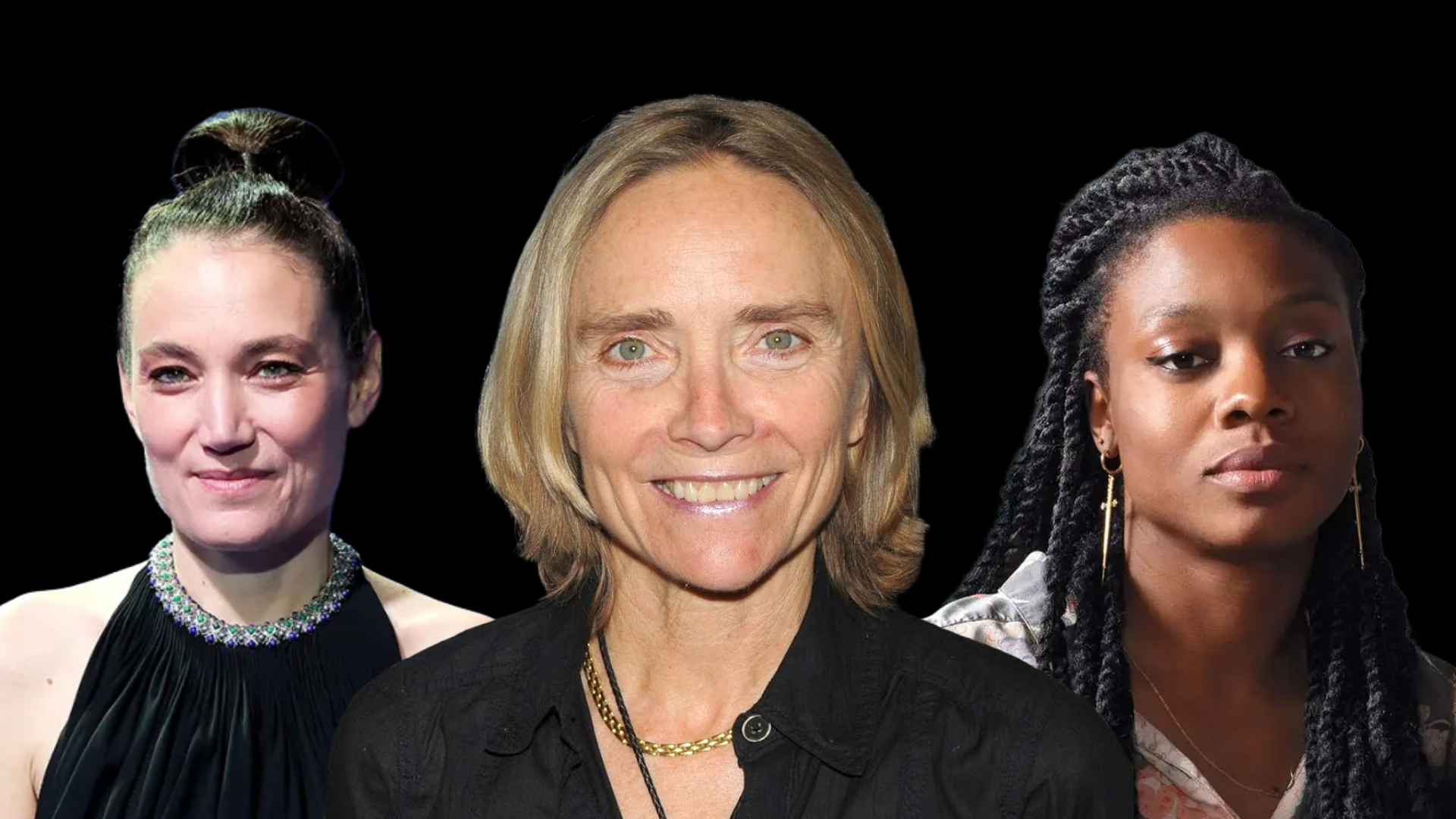

For International Women’s Day, it’s only right to give some respect to the women directors. The ones who have been carving out the most terrifying corners of cinema. From the pioneers of the silent era to the modern masters, women haven’t just participated in horror—they’ve fundamentally shifted its perspective.
Here are some of the most influential female directors who have helped define the genre:
The Trailblazers
-
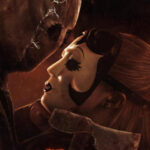
Kathryn Bigelow: Long before she was winning Oscars for The Hurt Locker, she directed the 1987 neo-Western vampire cult classic Near Dark. She proved that women could handle gritty, high-octane action and visceral horror better than most of the “boys’ club.”
-
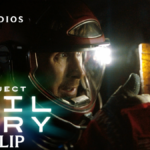
Mary Lambert: She took Stephen King’s most personal (and arguably darkest) novel, Pet Sematary (1989), and turned it into a box-office smash. Her ability to balance supernatural dread with the raw grief of losing a child remains a benchmark for the genre.
-
Mary Harron: Harron achieved the “impossible” by successfully adapting Bret Easton Ellis’s American Psycho (2000). By injecting the story with a sharp, satirical female gaze, she created an immortal critique of toxic masculinity. A view that a male director likely would have missed.
The Modern Icons
-
Jennifer Kent: With The Babadook (2014), Kent didn’t just give us a new boogeyman; she created a definitive masterpiece on maternal dread and suppressed trauma. It’s widely considered one of the best horror debuts of the 21st century.
-
Julia Ducournau: A titan of body horror, Ducournau became the first woman to win the Palme d’Or for a horror film with Titane (2021). Between that and her cannibal coming-of-age story Raw (2016), she has pushed the “New French Extremity” movement into high-art territory.
-
Karyn Kusama: Whether it’s the cult-classic revenge of Jennifer’s Body (2009) or the suffocating, slow-burning tension of The Invitation (2015), Kusama is a master at using genre to explore complex social dynamics and isolation.
-
Nia DaCosta: After making waves with the 2021 Candyman “spiritual sequel,” DaCosta is continuing to cement her status in the genre. She’s also behind 28 Years Later: The Bone Temple—she’s officially a heavy hitter in major franchise horror.
The New Guard & Indie Visionaries
-
Coralie Fargeat: Following her brutal, neon-soaked debut Revenge (2017), Fargeat recently released The Substance (2024). It’s a grotesque, satirical body-horror masterpiece that tackles ageism and beauty standards with the volume turned up to eleven.
-
Rose Glass: Her debut, Saint Maud (2019), is a terrifying look at religious fanaticism and mental health. Glass has a unique talent for making the audience feel like they are losing their minds right along with the protagonist.
-
Issa López: With Tigers Are Not Afraid (2017), López blended “dark fairy tale” elements with the harsh reality of the Mexican drug war, proving that horror is often the best lens for social commentary.
To every woman, director, actor, writer, or any woman in the genre, we salute you and thank you for your influence and creations.