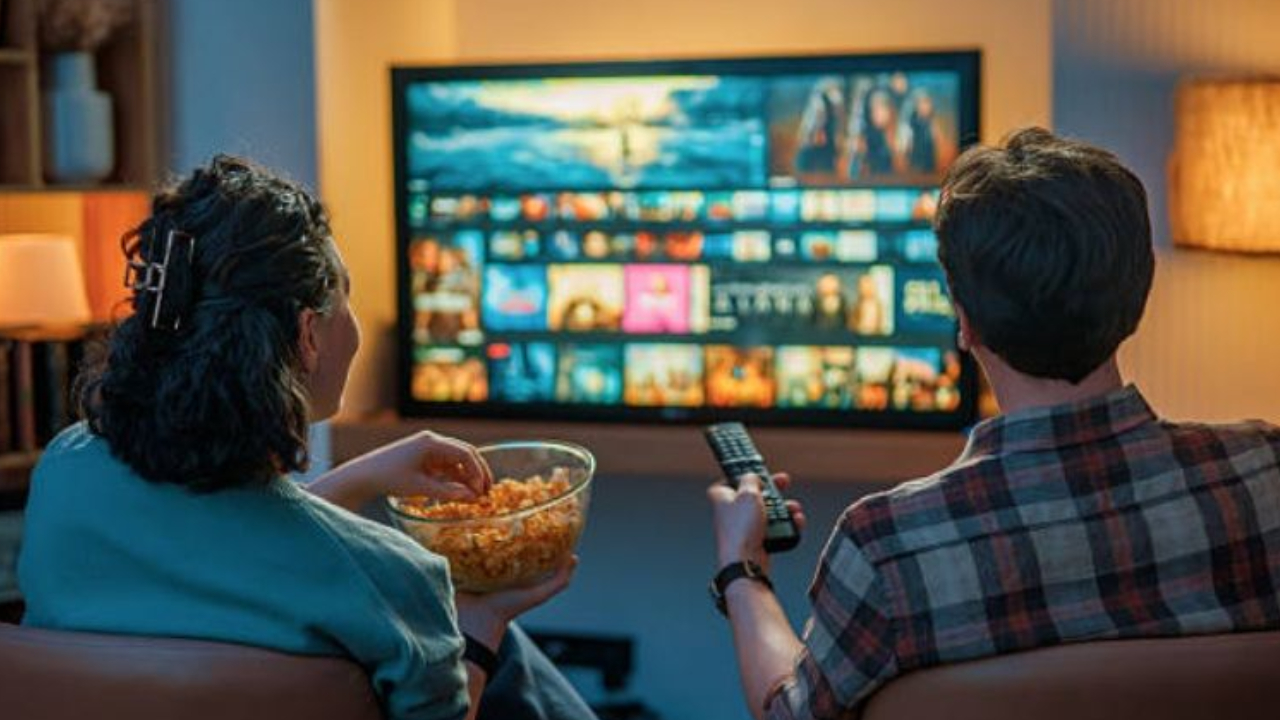

Horror once depended on theatrical schedules, late-night television, physical rentals, and festival screenings to reach viewers.
Streaming changed that route by placing film libraries within reach and giving older, independent, international, and specific horror titles chances to connect more directly with receptive viewers. The result is a direct path from release to audience.
Horror Became Available Beyond the Traditional Release Calendar
Streaming services made horror accessible throughout the year, not only around October or major cinema dates. Viewers can now select a ghost story in spring, a creature feature in summer, or a slasher marathon on a weekday.
On-Demand Access Supports Year-Round Viewing
A theatrical run asks viewers to attend at fixed times. Streaming lets them watch at home, pause when needed, and choose films according to mood. This flexibility suits horror because the genre contains varied styles, from quiet psychological stories to energetic survival films.
Nielsen reported that streaming accounted for 47.5% of television viewing in December 2025, a record at that time. That scale gives horror releases access to audiences accustomed to selecting entertainment through connected screens.
Older Films Receive Fresh Attention
A horror film no longer needs to be new to become culturally relevant. A catalog title can return through a collection, seasonal row, actor retrospective, or recommendation linked to a recent release. Viewers who missed a film during its run can encounter it years later.
Streaming also helps audiences move through a director’s work, a franchise, or a subgenre without searching physical stores. That continuity can turn one viewing into lasting interest.
Recommendation Systems Match Films With Specific Tastes
Digital catalogs contain more titles than viewers can assess manually. Search tools, categories, viewing histories, and curated collections help narrow the choice.
Subgenres Can Reach Their Natural Viewers
Horror audiences have precise preferences. One person may favor folk horror, while another prefers found footage, paranormal investigations, creature effects, or horror comedy. Streaming interfaces can place these films near related titles, helping smaller productions reach viewers interested in their style.
Useful matching signals include:
- Previous viewing choices
- Saved titles and watchlists
- Genre and mood categories
- Trending and regional lists
- Editorial collections
- Related-film suggestions
These signals support targeted access without requiring every film to appeal to the same mass audience.
Clear Descriptions Improve Film Selection
Artwork, short summaries, trailers, content labels, and cast information help viewers judge tone before viewing. Editorial teams may also use tools to humanize AI-assisted catalog copy, but the final description needs accurate details, natural phrasing, and a clear sense of the film’s identity.
Netflix publishes global and country-level Top 10 lists, giving viewers another route to titles gaining attention across regions.
Specialist Services Strengthened Horror Communities
Large services offer broad libraries, while genre-focused platforms provide concentrated programming. Both models help horror films, but specialist services add context through curation.
Curation Gives Films a Stronger Context
Shudder describes itself as a service devoted to horror and thrillers, with handpicked titles and new additions each week. A focused catalog can connect classics, festival selections, documentaries, original releases, and overlooked films within an editorial identity.
Curated collections also help viewers understand relationships between films. A set built around regional folklore, women directors, creature effects, or a major filmmaker can make each title part of a larger conversation.
Shared Viewing Extends the Release Moment
Streaming releases often inspire reviews, reaction videos, podcasts, rankings, and social discussion after launch. Audiences in different locations can watch during a similar period and participate in the same conversation.
This activity benefits films that grow through recommendations. A striking scene, inventive monster, or memorable ending can prompt viewers to discuss the title and lead others toward it.
International and Independent Horror Gained Wider Routes
Streaming reduced the distance between a film’s original market and viewers elsewhere. Subtitles, dubbing, regional charts, festival partnerships, and digital licensing allow stories rooted in local traditions to travel beyond their first audience.
Local Stories Can Connect Across Cultures
Horror often begins with culturally specific fears, legends, rituals, and social tensions. Streaming gives viewers access to those distinct perspectives, while themes such as grief, isolation, family, danger, and survival provide emotional entry points.
Independent filmmakers benefit from digital release paths that can follow festivals, limited cinema screenings, or direct platform premieres. Their films can remain available long enough for reviews and recommendations to build steady interest.
Conclusion
Streaming changed horror distribution by making films easier to access, categorize, and connect with viewers who value their specific style. It gave catalog titles renewed attention, strengthened specialist communities, expanded international circulation, and created longer periods for discussion.
For viewers, the practical step is simple: use watchlists, curated collections, subgenre searches, regional charts, and filmmaker pages rather than relying only on the main homepage. For horror creators and publishers, clear metadata, accurate summaries, thoughtful categorization, and sustained availability help the right audience find a film and keep its conversation alive.