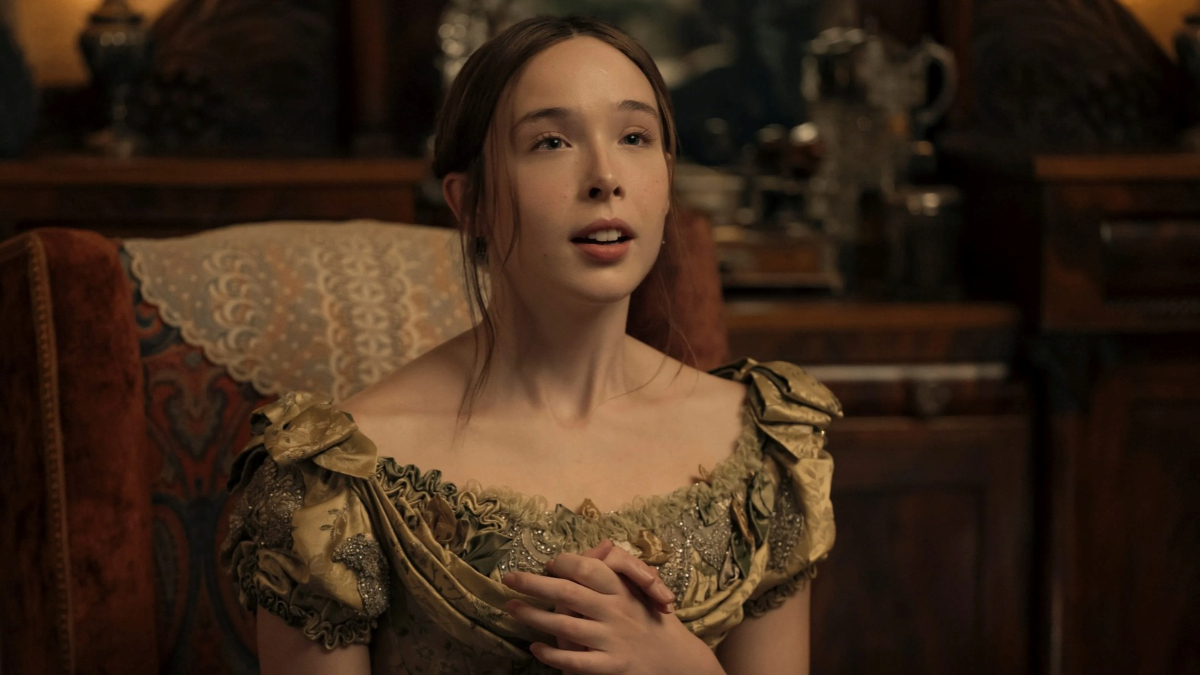

The fourth installment of Ryan Murphy’s true-crime anthology has arrived with “Monster: The Lizzie Borden Story.” And true to form, historical fidelity takes a back seat to grand cinematic spectacle. Rather than delivering a grounded exploration of the infamous 1892 Fall River ax murders, Murphy opts for sensationalized drama, exaggerated psychosexual tropes, and timeline manipulation. While long-time viewers of the franchise have come to expect artistic license over forensic accuracy, the sheer volume of historical liberties taken in this season creates a vast divide between the real-life figures and their screen counterparts.
The Real Lizzie Borden vs. Murphy’s Caricature
The most glaring departure in the series lies in the characterization of Lizzie Borden herself. Murphy frames Lizzie as an isolated, bumbling, and deeply bizarre outcast who spends her days lurking in the family parlor. The historical record paints a drastically different picture. The real Lizzie was an active, well-regarded member of her community. She served in local social clubs, held positions in charitable organizations, and taught Sunday school at her church. Far from a clueless recluse, historical accounts describe her as intelligent, poised, and socially fluent. She traveled extensively, including a grand tour of Europe, and possessed a sharp, calculating demeanor that helped her navigate the intense media scrutiny of her trial.
Timeline Distortions and Historical Inaccuracies
Rather than anchoring the narrative in the documented sequence of events leading up to August 4, 1892, the show rewrites key milestones for dramatic effect:
The Poisoning Incident: The series depicts the Borden household suffering from severe food poisoning weeks before the killings. In reality, the mysterious illness struck the family immediately before the murders. Specifically, the night before and the morning of the attacks. It fueled rumors that Lizzie had tried to poison her father and stepmother with prussic acid.
The Slaughter of the Pigeons: The show attributes the brutal killing of Lizzie’s beloved birds to her stepmother, Abby Borden. Historically, her father, Andrew Borden, killed the pigeons in the barn with a hatchet. He believed the birds attracted neighborhood pests and carried illness.
Chronological Anachronisms: The series timeline blurs decades of history. Serial killer Aileen Wuornos was arrested in 1991. Yet the show references the Lizzie Borden Bed & Breakfast Museum, which didn’t open to the public until 1996.
The Bertha Manchester Murders: While the 1893 ax murder of Bertha Manchester did occur in Fall River, creating local panic that the “real killer” was still at large, neither Lizzie nor the family maid, Bridget Sullivan, had any documented connection to the crime.
The Nance O’Neil Relationship: Lizzie’s documented friendship and alleged romance with stage actress Nance O’Neil did not begin until 1904, more than a decade after Lizzie’s trial and acquittal.
Unsubstantiated Speculation and Gratuitous Tropes
Continuing a recurring trend throughout the “Monster” series, the narrative leans heavily into graphic, unsubstantiated sexual shock value. While rumors about Lizzie’s personal life have circulated in pop culture for over a century, no historical evidence or court documentation confirms a romantic or sexual relationship between Lizzie and Bridget Sullivan.
The premiere episode introduces explicit subplots involving intrusive physical examinations and sexual experimentation. It prioritizes salacious shock over the complex legal, financial, and familial dynamics that defined the trial of the century. For viewers seeking a sleek, atmospheric thriller, Murphy delivers his signature melodrama; however, history buffs looking for an accurate account of Fall River’s most famous cold case will find precious little fact amid the fiction.