
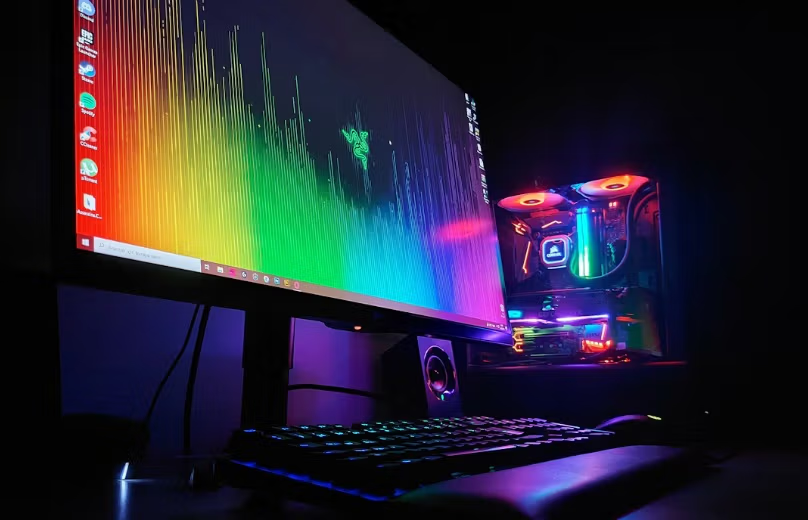
Horror games have evolved dramatically over the years, moving from pixelated monsters and simple sound effects to highly detailed environments that create a genuine sense of fear. Modern gaming technology allows developers to build frightening experiences through realistic graphics, immersive audio, and intelligent enemy behavior. For players looking to experience these advancements without purchasing expensive hardware upfront, a lease to own gaming pc from No Compromise Gaming provides access to gaming computers through flexible payment arrangements. As technology continues to improve, horror games are becoming more convincing, unpredictable, and emotionally engaging than ever before.
Realistic Graphics Create More Convincing Environments
One of the biggest advancements in horror gaming is the development of increasingly realistic graphics. Modern graphics engines can recreate abandoned buildings, dark forests, and deteriorating environments with remarkable detail. These visual improvements make fictional locations feel believable, encouraging players to become more emotionally invested in their surroundings.
High-resolution textures, realistic character animations, and advanced environmental effects contribute to this growing sense of immersion. Small details, such as peeling wallpaper, flickering lights, and reflections in broken windows, help establish an unsettling atmosphere. When these elements work together, players can feel as though they are exploring a dangerous location rather than simply controlling a character on a screen.
Ray Tracing Makes Lighting More Frightening
Lighting has always played an important role in horror games because darkness creates uncertainty and anticipation. Modern ray tracing technology improves how light interacts with surfaces, producing more realistic reflections, shadows, and illumination. Developers can use these effects to make ordinary environments feel threatening without relying entirely on sudden scares.
For example, a flashlight moving through a dark hallway can reveal subtle reflections or shadows that change as the player approaches. Realistic lighting also makes it more difficult to distinguish harmless objects from potential threats. This uncertainty encourages players to examine their surroundings carefully, increasing tension throughout the experience.
Advanced Audio Technology Builds Suspense
Sound design is another essential component of realistic horror gaming. Modern spatial audio technology allows players to identify the approximate direction and distance of sounds within a virtual environment. Footsteps behind a closed door or movement in another room can create fear before any danger becomes visible.
High-quality headphones and advanced audio engines make these experiences even more convincing. Developers can combine environmental sounds, distant voices, and sudden silence to influence how players react to different situations. The result is an atmosphere where listening becomes just as important as watching the screen.
Artificial Intelligence Makes Enemies Less Predictable
Traditional horror games often relied on enemies following predetermined paths or repeating familiar attack patterns. Modern artificial intelligence allows developers to create opponents that respond more dynamically to player behavior and environmental conditions. This can make encounters feel less predictable and prevent players from relying on the same strategy repeatedly.
Some games feature enemies that investigate noises, search nearby rooms, or react to changes in their surroundings. These behaviors encourage players to think carefully about movement, hiding places, and available resources. When enemies appear capable of responding intelligently, the sense of vulnerability becomes much stronger.
Improved Hardware Supports More Immersive Gameplay
Modern horror games frequently require substantial processing power to deliver detailed environments and advanced visual effects. Powerful graphics cards, capable processors, and sufficient memory help maintain stable performance during demanding gameplay sequences. Consistent frame rates are particularly important because interruptions can weaken the tension developers work to establish.
Solid-state drives also contribute to smoother experiences by reducing loading times and supporting faster access to game assets. This allows developers to create larger environments with fewer noticeable interruptions between areas. Choosing hardware that meets a game’s recommended requirements helps players experience its intended visual and atmospheric effects.
Virtual Reality Brings Horror Closer to Reality
Virtual reality has introduced another level of immersion by placing players directly inside simulated environments. Instead of viewing a frightening scene through a traditional monitor, players can look around naturally and experience a stronger sense of physical presence. This perspective can make familiar horror situations feel considerably more intense.
Motion tracking and interactive controls further strengthen the experience by allowing players to physically respond to their surroundings. Reaching for objects, examining dark corners, or turning toward unexpected noises can create powerful emotional reactions. Although virtual reality requires compatible equipment, it demonstrates how interactive technology continues to expand the possibilities of horror entertainment.
Conclusion
Modern gaming technology is transforming horror games into increasingly realistic and immersive experiences. Improvements in graphics, lighting, audio, artificial intelligence, and hardware performance allow developers to create environments that feel more convincing and unpredictable. Virtual reality adds another dimension by changing how players interact with frightening situations. As these technologies continue to develop, horror gaming will likely become even more sophisticated, offering players new ways to experience suspense, fear, and psychological tension.