
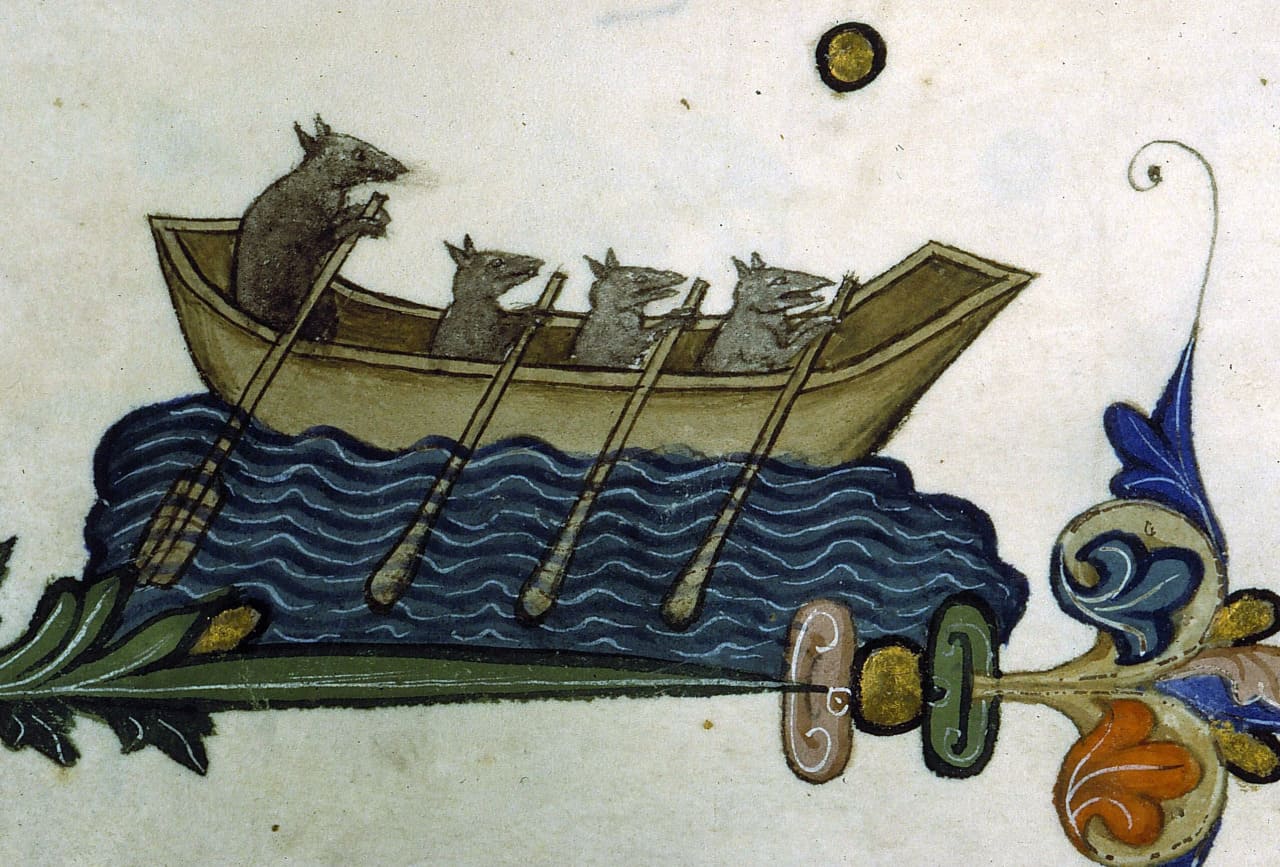

With sensationalist headlines and a plethora of memes, people can’t seem to stop talking about the Hantavirus outbreak on the MV Hondius, a Dutch cruise ship that’s experiencing a viral outbreak. So, why am I here talking about it? Well, it’s kind of in my wheelhouse (no pun intended) as we’re looking at a Zoonotic Disease, something I know a bit about in my past career life working with animals! Long story short, you have nothing to worry about. The long story:
Hantavirus is known to science as it was first seen around the Korean War, where soldiers in damp, dirty living conditions exposed them to their unwanted campmates…rodents. Rodents like rats and mice, but also through critters like moles, etc, can carry the Hantavirus and spread it through bites, their saliva, urine, or scat. Usually, when it comes to the urine and scat, it’s an aerosol, meaning it’s in the air and you can breathe it in, usually in dust form.
When someone contracts Hantavirus, they don’t spread it to others. There is a rare variant where you can, ONLY if you are in close proximity with someone for a prolonged period of time and/or come into contact with their bodily fluids.
So you’re asking, “All those people on that ship got it!” Yes, they did, BUT we don’t know the conditions are like in the gally (the kitchen) on that ship, or if provisions brought onto the ship were contaminated.
This may or may not be comforting for you to read, but there have already been an outbreak of Hantavirus in the United States, twice (that I could find records of), one in 1993 nationally, and again in 2012 at a luxury campground in Yosemite National Park. In the 93 outbreak, it started in the Four Corners region of the U.S., where that year temperatures were warmer than usual, causing more rain that then created more vegetation that housed and fed the local Western Deer Mouse population, resulting in it exploding, making it easier for the virus to spread among the mice. Investigations into the 2012 outbreak showed that the local mice population liked the insulation of the tent cabins at the campground to nest in.
So, there you have it, a bit of a history lesson and science-backed information. The likelihood of you having to stockpile toilet paper again is low, unless you’re planning on soloing an entire bowl of bean dip.