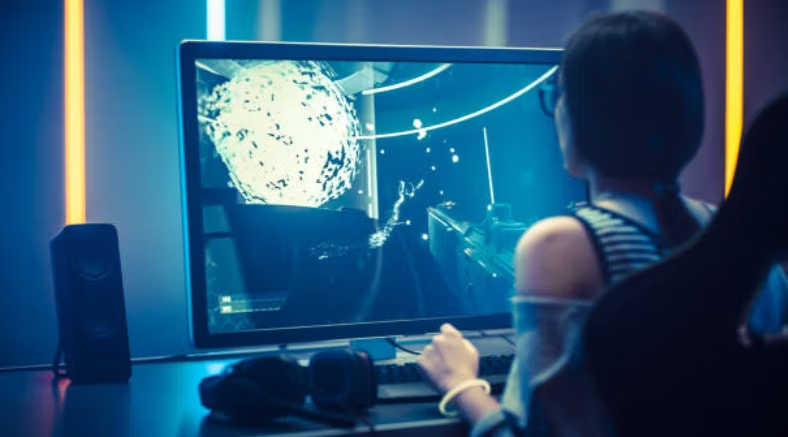
Digital horror has changed significantly as game developers have gained access to better graphics, sound systems, lighting tools, animation, and interactive technology.
Fear in modern games is no longer created only through sudden surprises. Developers can now build tension through atmosphere, environmental detail, character movement, sound placement, and the way players interact with the screen.
These techniques can appear across many types of digital games, including story-based horror titles and horror-themed online slots. The result is a style of game design that uses visual and technical elements together to create stronger mood, clearer themes, and more memorable screen experiences.
Atmosphere Has Become Central to Horror Game Design
Atmosphere helps establish the emotional tone before any major event takes place. Developers can use lighting, background detail, movement, and environmental effects to create a clear horror setting.
Lighting Can Change How a Scene Feels
Lighting is one of the most useful tools in horror design. A bright environment communicates information quickly, while darker areas can limit what the player sees at once.
Developers may use moving shadows, flickering lights, fog, glowing objects, or changing brightness to guide attention toward specific parts of the screen.
The same ideas can also appear in horror-themed สล็อต games. Reel backgrounds may include abandoned buildings, dark forests, old castles, mysterious laboratories, or supernatural settings. Lighting effects can then change during special features to support the theme.
Good lighting does more than decorate the screen. It helps establish location, mood, and visual focus.
Background Details Make Settings Feel More Complete
Small environmental details can make a digital setting feel more believable.
A horror environment might include:
- Moving curtains
- Broken furniture
- Changing weather
- Distant shadows
- Flickering signs
- Old photographs
- Moving objects
- Mist or smoke effects
These details may not control the main action, but they help create a stronger sense of place.
Sound Can Create Tension Before Visual Events
Audio is particularly important in horror because players do not need to see something for sound to affect the mood.
Directional Audio Adds Depth
Modern audio systems can make sounds appear to come from different directions. Footsteps may seem to approach from behind, while a door closing might be heard from another part of the environment.
This allows developers to create tension without filling the screen with constant visual effects.
Horror-themed games may also use silence strategically. Quiet sections can make later audio cues feel more noticeable.
Platforms offering สล็อตเว็บตรง may include games with very different visual themes, and horror-inspired titles can use sound effects to separate themselves from brighter or more casual game styles.
Music Can Change With the Action
Background music does not always remain the same throughout a game.
Developers can change rhythm, volume, or instrumentation when something important begins. A quiet soundtrack may gradually become more intense as a feature approaches.
In reel-based games, the music may change during bonus rounds or special symbol sequences. This provides an audio signal that the screen has entered a different stage.
Animation Makes Horror Elements Feel More Active
Static artwork can establish a theme, but animation gives characters and environments a stronger sense of movement.
Character Movement Can Support the Mood
Horror characters often rely on unusual movement patterns. Slow movement can build tension, while sudden changes can create surprise.
Developers can animate characters in backgrounds, around the reels, or inside bonus sequences.
A character may appear briefly behind an object, react when a feature starts, or move across the screen during a transition.
These animations help connect the characters with the rest of the game instead of treating them as simple background artwork.
Symbols Can Become Part of the Horror Theme
In horror-themed online slots, reel symbols can also support the overall visual direction.
Rather than using unrelated icons, developers may include:
- Haunted objects
- Mysterious characters
- Ancient symbols
- Supernatural creatures
- Dark locations
- Themed special icons
Special symbols can use additional animation when they appear. A symbol might glow, change form, shake, or trigger a short visual sequence.
These effects help communicate their importance while keeping the horror theme consistent.
Interface Design Can Support the Horror Setting
Menus and buttons may seem separate from storytelling, but they can also support the visual identity of a game.
Controls Can Match the Main Theme
A horror-themed interface may use fonts, textures, icons, and borders that match the setting.
For example, an old mansion theme might use worn textures and antique-style details around menus. A futuristic horror concept could use digital screens, warning lights, and technical icons.
However, controls still need to remain easy to understand. Visual styling should support the theme without making navigation difficult.
This balance is important across digital games because users need to recognize essential controls quickly.
Interaction Makes Players Part of the Screen Activity
Interaction changes the player from a passive viewer into someone who directly affects what happens on the screen.
Features Can Respond to User Actions
Modern games may react immediately when users select an option, open a menu, activate a feature, or interact with an object.
Visual feedback can include:
- Screen movement
- Sound cues
- Character reactions
- Lighting changes
- New animation
- Menu transitions
These responses help show that an action has been registered.
In horror games, interaction can also control how information is revealed. Instead of showing everything at once, the interface can introduce visual or audio elements gradually.
Mobile Technology Has Changed Horror Presentation
Horror games are increasingly accessed through smartphones and tablets as well as larger screens. This means developers need to consider how atmosphere works on compact displays.
Smaller Screens Need Clear Visual Focus
Detailed horror environments can become difficult to read if too many elements appear at once.
Mobile layouts therefore benefit from clear symbols, readable text, strong contrast, and carefully placed controls.
Online gaming interfaces connected with terms such as ทดลองเล่นสล็อต may also include account or wallet functions outside the game screen. Keeping these areas clearly separated from themed game content helps maintain straightforward navigation on smaller devices.
Responsive technology can resize menus, reels, animations, and interface elements according to the screen available.
Technology Helps Connect Horror Elements
Modern game engines and browser technologies allow developers to combine graphics, animation, sound, and interaction within one coordinated system.
Different Elements Can React Together
A single event can trigger several changes at once.
For example, when a feature begins:
- The background may become darker
- Music may change
- A character may appear
- Symbols may animate
- Lighting effects may activate
- The interface may shift slightly
When these elements respond together, the transition feels more connected.
This coordination is one of the main reasons modern digital horror can create stronger atmosphere than games that rely on isolated visual effects.
Conclusion
Modern digital horror is becoming more immersive because developers can combine atmosphere, sound, animation, interface structure, and interaction in increasingly coordinated ways. Lighting establishes mood, sound builds tension, animation gives environments movement, and interactive features allow the screen to respond directly to user actions.
Horror-themed online slots can use many of the same creative principles through dark settings, animated symbols, themed audio, character effects, and changing backgrounds.
The strongest horror experiences come from consistency. When visuals, audio, controls, movement, and theme all follow the same direction, digital horror can create a convincing atmosphere without depending on a single effect.