
Can a terrifying monster movie actually benefit your mental health? As if fans need another reason to watch, recent scientific research suggests that, for horror enthusiasts, movies can support mental health. For fans, leaning into fear movies can reduce anxiety, bolster emotional resilience, and provide temporary relief from depressive symptoms.
The Science Behind the Scares
Studies from Aarhus University suggest that choosing to engage with scary media allows viewers to explore and navigate their own anxiety responses. By willingly stepping into a frightening scenario, audiences gain a sense of control over their fear reactions.
Research from the University of Chicago reveals that horror fans often display higher psychological resilience and lower levels of distress compared to non-fans. When watching a suspenseful film, the brain’s limbic system reacts as if the threat is genuine. However, the conscious mind remains fully aware that it is safe. This dynamic acts as a form of vicarious exposure therapy. It allows the brain to process intense emotional triggers without real-world danger.
Why Frightening Films Offer Relief
The mental health benefits of the genre stem from a few key psychological and physical mechanisms:
Safe Emotional Exposure: Watching a film lets audiences confront fear-inducing themes in bite-sized, predictable doses, which can gradually desensitize the brain to everyday anxiety triggers.
Perspective and Catharsis: Experiencing a dramatic, fictional threat contrasts sharply with daily life, making real-world stressors feel more manageable by comparison.
The Physical Reset: The adrenaline surge and elevated heart rate experienced during a scary movie often lead to a profound feeling of physical and mental relaxation once the credits roll.
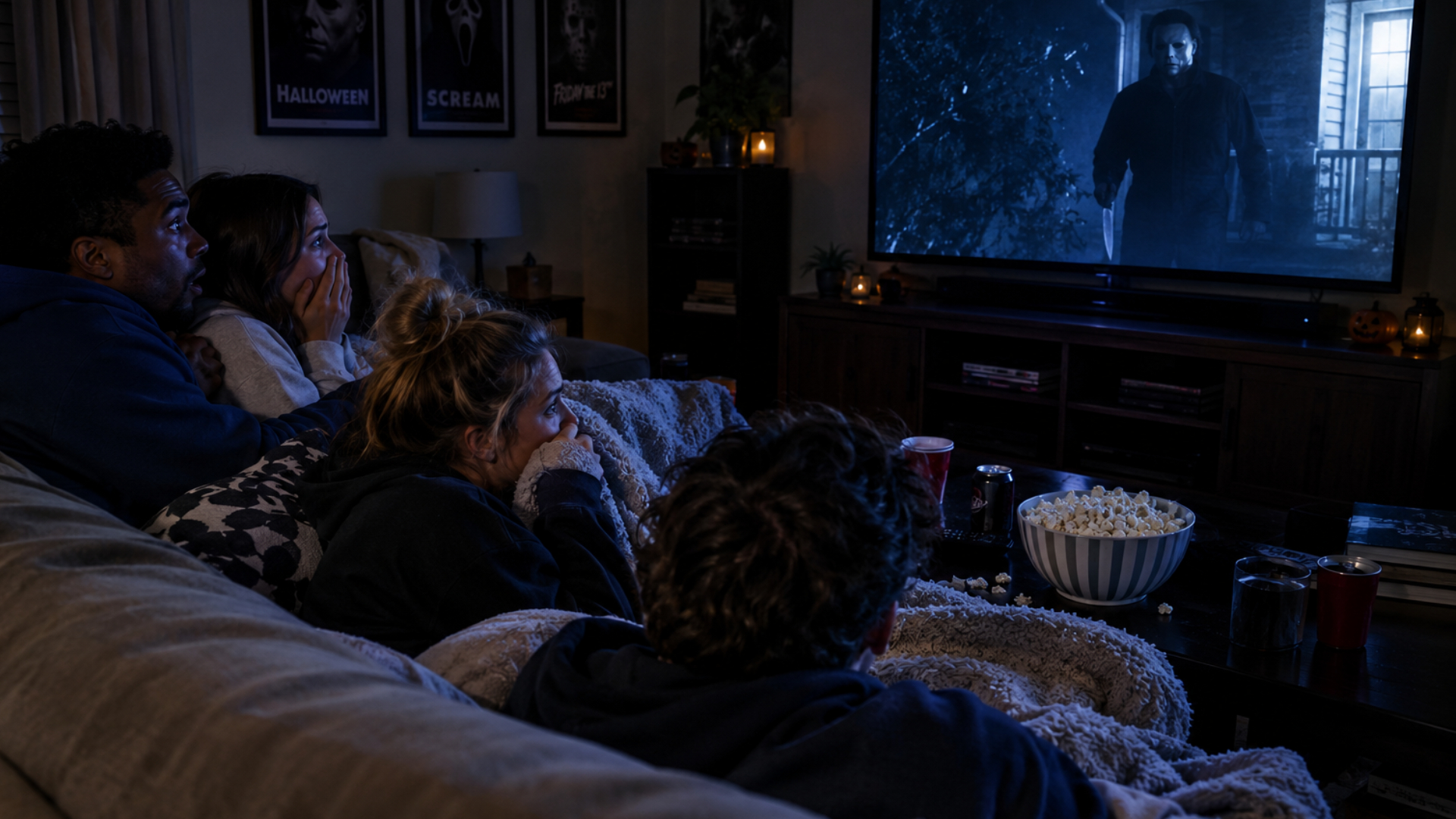
Shared Bonding: Experiencing suspense alongside friends or family fosters connection and mutual support, helping to break down feelings of isolation.
Key Considerations and Limits
While the therapeutic potential of scary cinema is promising, context and personal preference are critical. These benefits apply almost exclusively to people who already enjoy the genre. However, forcing a horror movie on someone who dislikes scary media can actually heighten distress rather than alleviate it. Furthermore, while controlled fear can serve as a helpful personal coping tool, it is not a replacement for professional mental health treatment or therapy.
While some people call watching horror films “unhealthy” and “disturbing,” evidence is showing otherwise. So, do yourself a favor and watch a horror movie now.