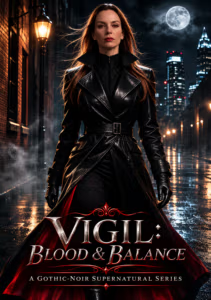
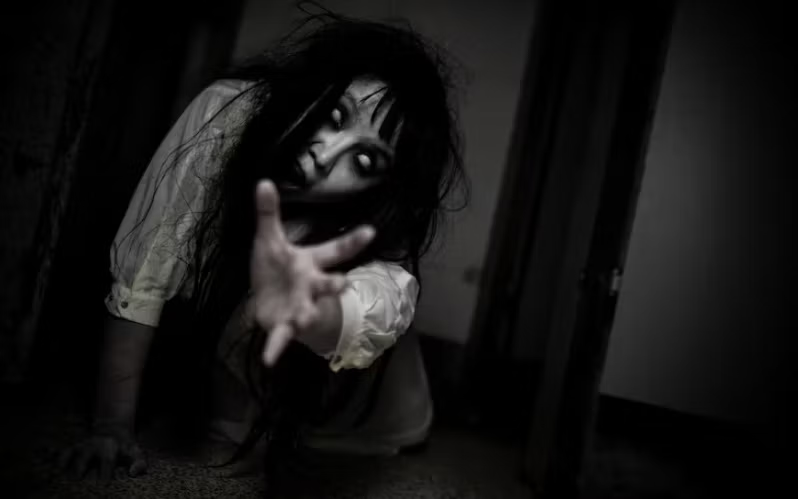
A dark corridor, an unfamiliar sound and a slowly opening door can create tension without showing anything frightening. Horror filmmakers have long understood how anticipation, uncertainty and atmosphere influence an audience’s emotional response.
Digital game developers frequently borrow these cinematic techniques to create distinctive fictional environments. Through lighting, sound, perspective and visual composition, games can communicate suspense in ways that extend beyond traditional horror films.
Using Lighting to Establish Atmosphere
Lighting is one of the most recognisable techniques in horror cinema. It determines what audiences can see, what remains hidden and how familiar objects appear under unusual conditions.
Shadows and visual uncertainty
Deep shadows can conceal environmental details and encourage audiences to interpret incomplete visual information. Horror games use similar techniques in abandoned buildings, underground passages and fictional forests.
The uncertainty created by limited visibility can establish tension without requiring constant frightening events.
Colour as an emotional signal
Filmmakers frequently use colour to communicate particular moods. Cold blue tones can suggest isolation, while muted greens or dark reds may contribute to an unsettling atmosphere.
Digital artists apply comparable principles when designing environments, characters and interface backgrounds. Colour choices help establish a consistent identity across different scenes.
How Sound Design Creates Suspense
Horror cinema often demonstrates that what audiences hear can be as important as what they see. Carefully arranged sounds can establish expectations before an event becomes visible.
Environmental audio
Footsteps, distant machinery, creaking doors and unexplained movement can suggest activity beyond the visible area. These sounds give fictional environments additional depth.
Game developers can also use spatial audio to communicate the apparent direction of a sound, depending on the game’s technical capabilities.
The creative use of silence
Continuous music can make dramatic moments less distinctive. Periods of silence create contrast, allowing an unexpected sound to receive greater attention.
This principle is particularly effective when the absence of audio fits the narrative rather than appearing as an unexplained technical problem.
Horror Aesthetics Beyond Traditional Horror Games
Not every digital product that uses horror-inspired visuals belongs to the horror genre. Cinematic imagery frequently appears in puzzle games, fantasy adventures and other interactive formats.
A horror-themed slot game, for example, may borrow visual references from haunted houses, gothic architecture or classic supernatural fiction. These artistic choices establish a thematic identity without necessarily introducing the storytelling or exploration mechanics associated with survival horror.
It is important to recognise the difference between borrowing a visual style and reproducing an entire genre.
Creating Tension Through Camera Perspective
Camera placement influences how audiences interpret space and movement. Horror filmmakers frequently use restricted viewpoints to control how much information viewers receive.
Limited fields of view
First-person horror games sometimes restrict visibility to what a fictional character can observe. This can make unfamiliar surroundings feel uncertain.
Third-person games may achieve similar effects through carefully positioned cameras, narrow spaces or environmental obstructions.
Using visual composition
An empty doorway positioned at the edge of a scene can suggest that something might appear there. Cinematic composition directs attention without immediately revealing whether the visual detail is important.
Digital designers can apply this principle when arranging objects, characters and environmental details.
Separating Cinematic Presentation From Interactive Rules
Horror-inspired animation can communicate mood, but it should not be mistaken for evidence of how a digital system operates. A dramatic sequence does not necessarily have a mechanical function.
When viewing horror-themed interfaces associated with online search terms such as slot777, it is useful to recognise that visual suspense and actual outcome generation are separate concepts.
Dark imagery, dramatic music and animated symbols cannot establish the likelihood of future gambling outcomes. Official rules and accurate technical information remain more relevant than cinematic presentation.
Why Restraint Matters in Horror Design
Constant frightening sounds, rapid flashing and dramatic movement can make an experience exhausting rather than atmospheric. Many effective horror films rely on variations in intensity to maintain their emotional impact.
Digital designers face similar challenges. Repeating the same effect too frequently can reduce its significance, while overwhelming presentation may make instructions difficult to read.
Content warnings, adjustable audio and reduced-motion options can help make horror-inspired experiences more accessible to different audiences.
Conclusion
Cinematic horror techniques have influenced digital entertainment through atmospheric lighting, expressive sound design, restricted perspectives and carefully composed environments.
These techniques allow developers to communicate uncertainty and establish recognizable fictional settings across different game genres. Their effectiveness depends on thoughtful execution rather than constant intensity. A well-designed digital experience uses cinematic influences to support its artistic identity while keeping essential information and interactive rules clear.