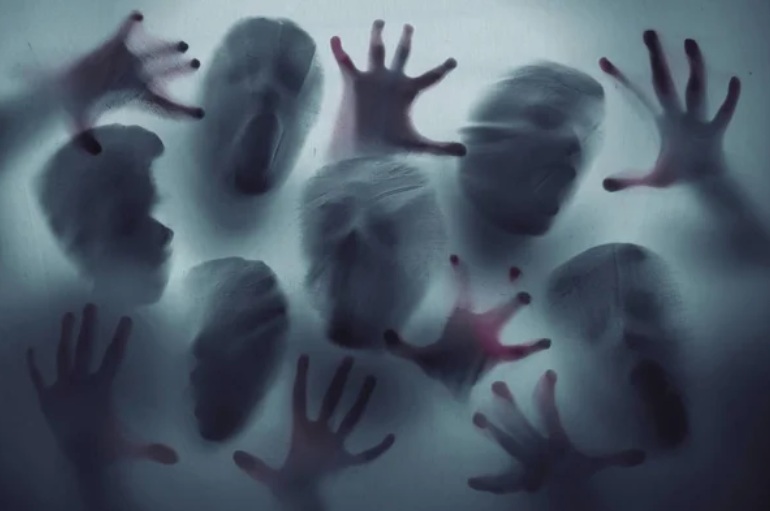

Have you ever watched a horror movie where nothing big happens for a long time, but still you feel nervous in your seat?
That is the power of slow-burning horror. It does not always shout at you. It does not always make a loud sound or sudden face on the screen. Instead, it slowly builds fear in your mind. And honestly, that kind of fear can stay with you much longer than a quick jump scare.
Slow-burning horror works because it gives your imagination time to run. You start noticing small sounds, empty rooms, strange looks, and quiet moments. Your brain begins to ask, “Something is wrong, but what exactly?” That question itself becomes scary. In many ways, slow-burning horror feels closer to real fear because real fear is not always loud. Sometimes, it is silent, patient, and uncomfortable.
What Slow Burn Horror Really Means
Slow-burning horror is a style of storytelling where fear grows slowly over time. It focuses more on mood, tension, characters, and atmosphere instead of quick shocks.
It Builds Fear Step By Step
In a jump scare scene, the fear comes suddenly. You hear a loud sound, something appears, and you react immediately. But after a few seconds, the fear often fades. Slow-burning horror works differently. It slowly adds small details that make you uneasy.
Maybe a character hears footsteps upstairs. Maybe a door opens by itself. Maybe someone keeps seeing the same strange figure far away. Nothing huge happens at first, but each small moment adds pressure. Like how people search different terms online, such as KLIX4D for a specific purpose, horror viewers also look for small clues in a slow-burning film. Every little detail feels like it may mean something.
It Lets The Viewer Think
Slow-burning horror does not explain everything quickly. It gives space for the viewer to think. This is where the fear becomes personal. One person may fear the silence. Another may fear the unknown figure. Someone else may fear what is happening inside the character’s mind.
This type of horror respects the viewer’s imagination. Instead of showing everything directly, it allows your brain to fill in the blanks. And many times, what we imagine is more frightening than what we actually see.
Why Jump Scares Work Differently
Jump scares are popular because they create an instant reaction. They are easy to understand and can be exciting when used properly.
They Shock The Body
A jump scare mainly affects the body. A sudden sound or image makes your heart beat fast. You may jump, shout, or laugh after the moment passes. It is a quick burst of fear.
This can be fun, especially in a theatre with friends. Everyone reacts together, and the scene becomes memorable. But the fear is usually short-lived. Once you know when the scare happens, it may not feel as strong the next time.
They Do Not Always Stay In The Mind
The main difference is that jump scares often end quickly. You get scared, then you relax. Slow-burning horror does not always give you that relief. It keeps you uncomfortable for a long time.
A good slow-burning film makes you think even after the movie ends. You may remember a quiet hallway, a strange sound, or a character’s expression. That is why slow burn horror can feel deeper. It enters your mind slowly and stays there.
The Power Of Atmosphere In Slow Burn Horror
Atmosphere is one of the strongest tools in slow burn horror. It creates the feeling that something is wrong, even before anything clearly scary happens.
Silence Can Be More Scary Than Noise
In many horror films, silence is used beautifully. A quiet room, a still camera, or a long pause can make the viewer uncomfortable. You start waiting for something to happen. That waiting becomes the fear.
This is similar to how people carefully check details before trusting information, whether it is a film clue, a review, or a phrase like KLIX4D RTP seen in a different online context. In slow burn horror, the viewer keeps checking every scene carefully. Is that shadow important? Did the character hear something? Why did the camera stay there for so long?
Settings Make A Big Difference
A lonely house, an empty road, a dark village, or a silent apartment can become scary without showing any monster. The setting itself starts to feel alive. When the place feels unsafe, the viewer becomes tense.
Slow burn horror often uses ordinary places. That is what makes it effective. A normal bedroom, kitchen, or family home can slowly turn disturbing. This makes the fear feel close to real life.
Why The Unknown Feels So Terrifying
The unknown is one of the oldest fears. When we do not understand something, our mind tries to complete the story.
The Less You See, The More You Imagine
Slow burn horror often hides the full threat. You may not see the ghost, creature, or danger clearly. You may only hear it, feel it, or see signs of it. This makes the fear stronger.
When a film shows too much too early, the mystery can reduce. But when it hides just enough, the viewer stays alert. You keep guessing. And that guessing makes the experience more intense.
Mystery Keeps The Tension Alive
Slow burn horror depends on questions. What happened in the past? Why is the character acting strangely? Is the danger real or imagined? These questions keep the viewer involved.
A strong mystery makes people pay attention. It is like following a trail. Each scene gives a small hint, but not the full answer. By the time the truth appears, the viewer is already emotionally invested.
How Characters Make Slow Burn Horror Stronger
Slow burn horror usually gives more time to characters. This makes the fear feel personal and emotional.
We Care Before We Feel Scared
If we understand a character, we care about what happens to them. Their fear becomes our fear. Their confusion becomes our confusion. This emotional connection makes horror stronger.
A sudden jump scare can happen to anyone. But slow burn horror shows how fear changes a person. We see their stress, doubt, loneliness, and helplessness. That makes the story more human.
Everyday Emotions Add Depth
Many slow burn horror stories use normal emotions like grief, guilt, family tension, loneliness, or regret. These feelings make the horror more layered. The scary part is not only outside the character. Sometimes, it is also inside them.
This is why slow burn horror feels mature and thoughtful. It is not only about “what is hiding in the dark.” It is also about what the character is carrying in their heart.
When Slow Burn Horror Works Best
Slow burn horror works best when the story is patient, clear, and emotionally strong. It should not feel empty or slow just for the sake of being slow.
Key Elements That Make It Effective
A good slow burn horror film usually has these qualities:
- A strong mood from the beginning
- Small details that slowly build tension
- Characters with emotional depth
- A mystery that keeps the viewer curious
- A final payoff that feels meaningful
These elements help the story feel complete. Without them, slow pacing may feel dull. But when done well, the slow build becomes the main strength.
It Rewards Patient Viewers
Slow burn horror is not always for people who want instant scares every few minutes. It is for viewers who enjoy atmosphere, mystery, and emotional tension. The reward comes slowly, but it can feel more powerful.
In the same way that someone may take time to understand a specific online term like DAFTAR KLIX4D in its own context, slow burn horror also asks viewers to pay attention to context. The meaning is not always direct. You understand it piece by piece.
Why Slow Burn Horror Stays With Us
Slow burn horror often stays in the mind because it creates a feeling, not just a reaction. It does not only scare you for a second. It changes the way you look at a room, a sound, or a memory.
It Feels More Real
Real fear is not always dramatic. Sometimes it is a strange feeling that something is not right. Slow burn horror captures this feeling very well. It shows fear as a slow pressure, not just a sudden shock.
This is why many viewers remember slow burn horror for years. The images may be simple, but the mood stays. A quiet scene can become unforgettable when it is filled with tension.
It Makes The Audience Participate
Slow burn horror makes the audience work a little. You observe, guess, and connect details. This active involvement makes the fear stronger. You are not just watching events. You are mentally entering the story.
That is also why the ending can feel powerful. By the time the big reveal or final moment comes, the fear has already been growing inside you for a long time.
Conclusion
Slow burn horror can be more terrifying than jump scares because it understands how fear really works. It does not depend only on loud sounds or sudden images. It builds tension slowly, uses silence carefully, and lets the viewer’s imagination do a lot of the work.
Jump scares can be fun and exciting, but slow burn horror often leaves a deeper mark. It makes you feel uneasy, curious, and emotionally connected. It stays with you after the screen goes dark. And sometimes, that quiet fear is the scariest kind of all.