
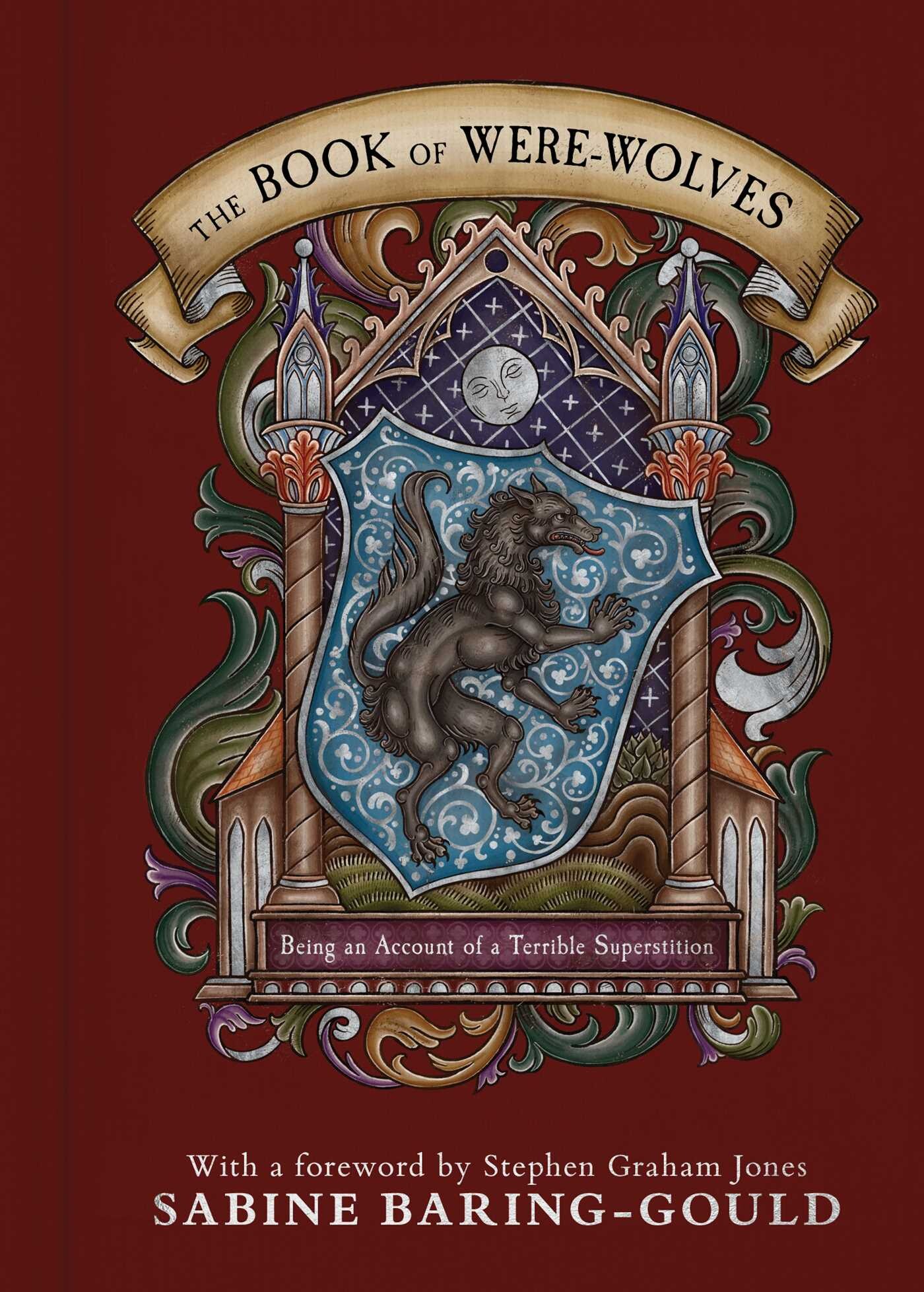

With Robert Eggers’ film Werwulf quickly approaching its release, there’s no better time than you prime the pumps with some interesting reading about the subject, and Simon & Schuster has you covered by releasing the reprint of The Book of Were-Wolves! I want to thank Rebecca and Simon & Schuster for this reviewing opportunity and for sending over a copy of the book!
The Book of Were-Wolves: Being an Account of a Terrible Superstition was originally published in 1865 by Sabine Baring-Gould, who is an interesting fellow himself! An Anglican Priest, who was also an antiquarian, a hagiographer, a folk-song collector, a scholar, and a novelist. The best way I can describe this guy, he goes from writing the hymn “Onward Christian Soldier” to then writing books you would never think a priest would write!
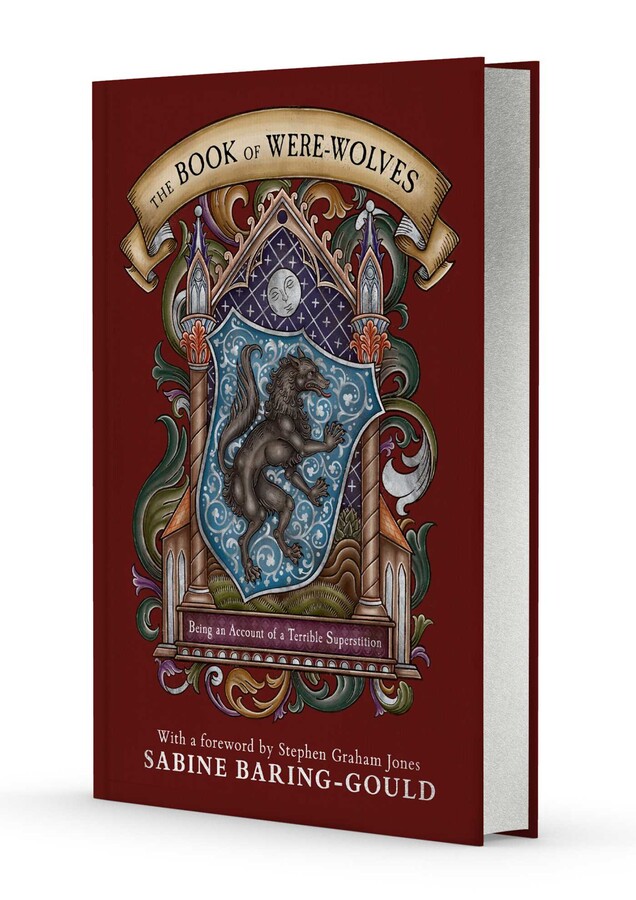
Now, on to Baring-Gould’s book, The Book of Were-Wolves. The book is 5 x 0.7 x 7 inches, so it won’t take up much room on your nightstand, bags, or packs. The edges of the pages are gilded in silver, perfect for protecting you from the beasts within the pages!
As for the content of the book, you should know that this is not a literal book about the studies of Werewolves as you might think. The book delves more into how the concept of Werewolves entered the zeitgeist of superstition. As someone who studied Religion and History, I’m actually blown away by how open and, dare I say, cultured, Baring-Gould was for a 19th-century English Priest! In one chapter, he’ll be talking about old Icelandic tales, and in another, going in depth on Buddhist philosophy and teachings, while at times noting and expressing with great interest how so many cultures are separated by distance and language, but all have familiar tales.
Don’t be discouraged! Baring-Gould also includes retellings of incidents in history where people claim to have been taken over by nature, leading Baring-Gould to look at what is now known as Clinical Lycanthropy, along with other talks on the subject of strange happenings.
I actually enjoyed reading this as it kept true to how it was written at the time, but I do wish that in some parts where Baring-Gould is quoting something that happened to be in another language, there was some kind of translation. Other than that, I think this is a good page turner for someone who likes older writings that peek into the void of the unknown, that’s truly researched and written in a way that shows respect.
The Book of Were-Wolves arrives on bookshelves on September 1st.