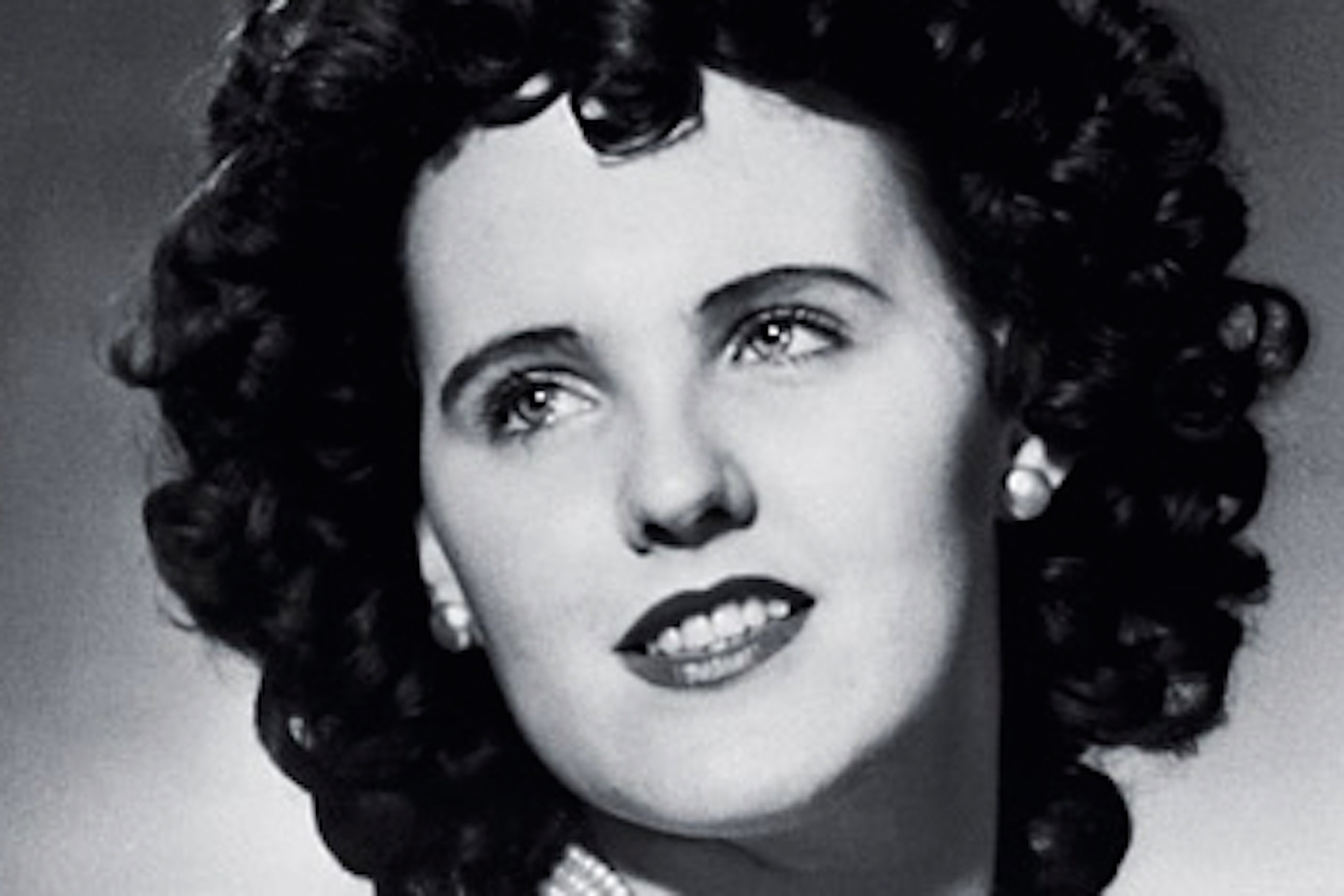

Move over, armchair detectives. One of America’s most infamous, deeply haunted Hollywood mysteries might finally be solved: the Black Dahlia murder.
Global production company Talestorm has officially announced Deconstructing Dahlia, a true-crime docuseries that tracks a five-year investigation into the 1947 murder of Elizabeth Short—better known as the Black Dahlia.
The production team claims they aren’t just recycling old theories. They have uncovered startling new leads, identified a primary suspect, located the definitive crime scene, and are currently leaning hard on the Los Angeles Police Department to hand over secrets they’ve kept under lock and key for nearly 80 years.
The Avengers of True Crime
This isn’t a couple of podcasters with a microphone. The docuseries follows a heavyweight squad of filmmakers, seasoned investigators, and retired law enforcement royalty who have been living and breathing this case for half a decade.
The investigative roster includes:
-Steve Cooley (Former Los Angeles County District Attorney)
-Lenny DePaul (Retired US Marshal Commander; Hunting Hitler)
-Theresa Payton (Former White House Chief Information Officer)
-Mike Rothmiller (NYT Bestselling author and retired LAPD detective)
The squad claims their objective approach has finally yielded enough concrete data to move past decades of urban legend.
“There is finally enough evidence in the Black Dahlia case to qualify for a grand jury indictment against a suspect,” says former LA District Attorney Steve Cooley. “What came before would not even be circumstantial—a lot of it’s just pure speculation or pure fiction. This team’s efforts brought it to a much higher level.”
The Smoking Guns
According to Talestorm, the docuseries will reveal explosive, never-before-seen breakthroughs that point directly to a resolution. Among the most jaw-dropping revelations promised in the series are the discovery of a major bloodshed event and a hidden, walled-up room at a location directly tied to the suspect. You will also learn about the definitive evidence suggesting the original crime scene of the Black Dahlia was deliberately altered.
The documentary includes fresh interviews with brand-new witnesses who never came forward in 1947, including family members of both Elizabeth Short and the prime suspect.
There is also official confirmation that crucial evidence and massive portions of files vanished from official agency records following the 1949 and 1950 Grand Jury proceedings.
Director Jeff Thomas VII revealed that an unprecedented, anonymous tip sparked the entire project. It contained highly specific details that were never leaked to the public, nor referenced in any known case materials. “At that point,” Thomas said, “walking away was no longer an option.”
A Fight for Final Closure
The biggest hurdle remaining? The LAPD itself. At the center of the series is Talestorm’s active petition to force the department to release the only full, unredacted autopsy report of Elizabeth Short—a document withheld from the public for almost eight decades. To help, add your name here.
Crucially, this investigation has the full blessing of Elizabeth Short’s surviving family, who are backing the petition against the LAPD.
“As family members of Elizabeth Short, we have lived for years without knowing what happened to our daughter, sister, and aunt,” the Short family said in a joint statement. “We respect the work Talestorm has done.”
Producer Kimberly Lupini promises that audiences won’t be left hanging by another open-ended conspiracy theory. “While the investigation is ongoing, it is clear that we don’t have another never-ending Dahlia theory,” Lupini noted. “Long-overdue closure is finally within reach.”
Deconstructing Dahlia is currently in development. Keep your eyes peeled and your expectations high—history is about to be rewritten.
About the Black Dahlia
The investigation that followed became one of the largest and most complex in the history of the Los Angeles Police Department. Yet it ultimately hit a dead end. The killer taunted the authorities and media, mailing a package to the Los Angeles Examiner that contained Short’s personal effects. That included her birth certificate and address book, along with letters composed of words cut from newspapers. Over the decades, hundreds of people confessed to the crime, and numerous prominent figures—including physician George Hodel and publisher Leslie Dillon—were scrutinized as prime suspects. However, a contaminated crime scene and lost or withheld evidence stalled the case. Nearly eighty years later, the murder of Elizabeth Short remains officially unsolved, standing as America’s most enduring and haunting true-crime mystery.
Hopefully, the new documentary can finally give the world answers and identify the killer.